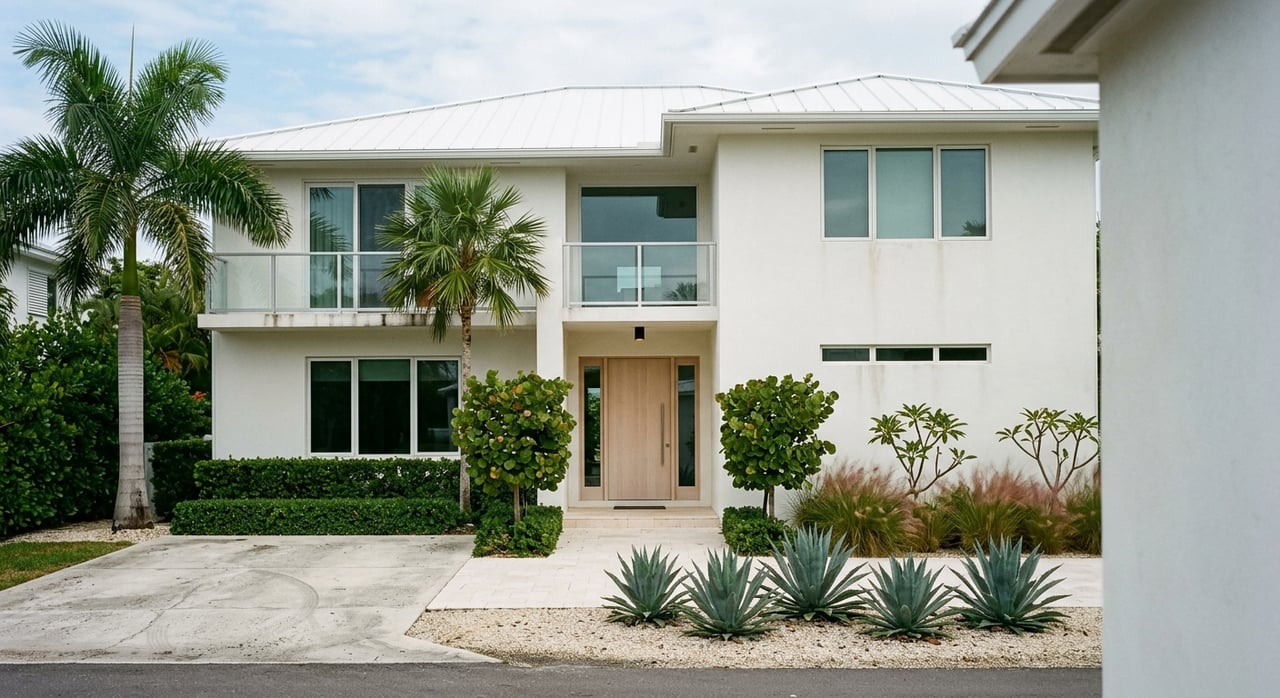
Dreaming about a place by the beach where you can escape for part of the year? If Lauderdale-by-the-Sea is on your list, you are not alone. This small coastal town has a very specific appeal, and if you are considering a second home here, it helps to understand not just the lifestyle, but also the costs, rules, and tradeoffs that come with owning on a barrier island. Let’s dive in.
Why Lauderdale-by-the-Sea Stands Out
Lauderdale-by-the-Sea is a compact barrier-island town in Broward County with about 1.5 square miles of land, 6,056 permanent residents, and a winter seasonal population above 10,000, according to the town’s official facts page. It sits between the Atlantic Ocean and the Intracoastal Waterway, bordered by Fort Lauderdale to the south and Pompano Beach to the north.
For a second-home buyer, that small footprint is part of the appeal. The town highlights its beaches, snorkel and scuba access, Anglin’s Pier, and free Circuit-By-The-Sea shuttles, which all support an easy, seasonal, lock-and-leave lifestyle.
What the Housing Market Suggests
Lauderdale-by-the-Sea sits in the upper tier of coastal South Florida ownership markets. Recent Census QuickFacts show a 78.0% owner-occupied housing rate and a median owner-occupied home value of $680,900.
That is higher than Fort Lauderdale, Pompano Beach, and Deerfield Beach on median owner value, and closer to Lighthouse Point and Boca Raton. If you are comparing coastal options, that data suggests Lauderdale-by-the-Sea tends to attract buyers looking for a smaller, more ownership-oriented beach town.
Inventory Is Limited
Because Lauderdale-by-the-Sea is small, inventory can feel tight. Local MLS market reports show 113 active condo and townhouse listings in 2024 with 7.2 months of supply and a 67-day median time to contract, while single-family homes in Q4 2025 showed 24 active listings, 7.6 months of supply, and an 84-day median time to contract, according to the Miami Realtors local market metrics.
In practical terms, you may need to stay flexible. Many second-home buyers here end up weighing condos, townhomes, and smaller single-family homes instead of large-lot properties, which makes sense given the town’s geography and limited land supply.
Which Property Type Fits Best?
Your best option depends on how you plan to use the home.
Condos for low-maintenance living
A condo may fit best if you want a simpler ownership experience and plan to spend only part of the year in town. You will still want to review building rules carefully, especially if rental use matters to you.
Townhomes for more space
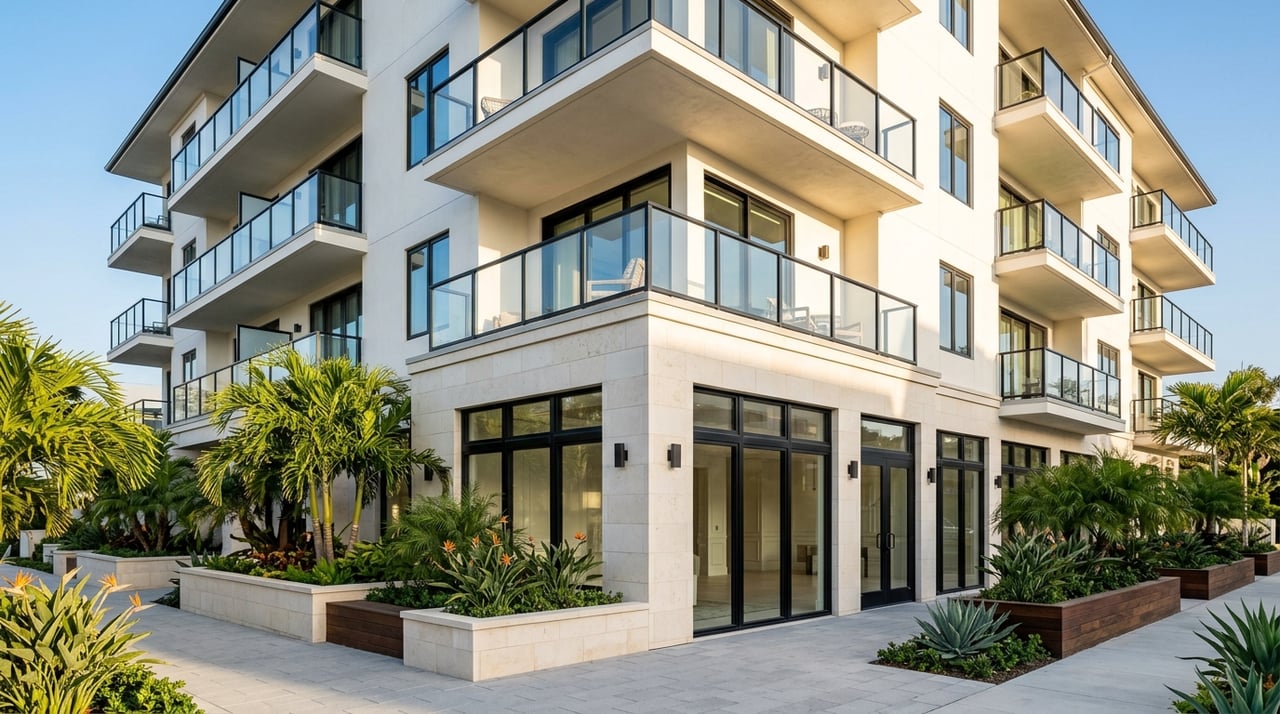
Townhomes can offer a middle ground between condo living and a detached home. They may give you more room and privacy, but you still need to verify HOA rules, parking, and maintenance responsibilities.
Single-family homes for flexibility
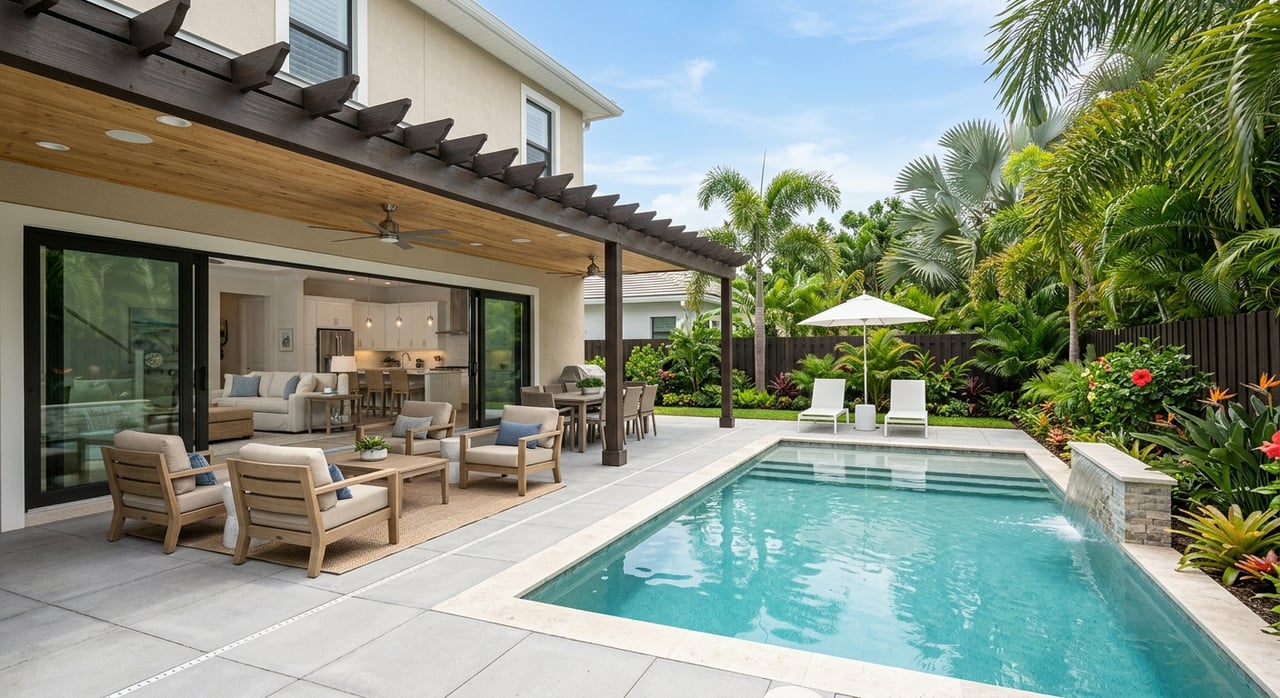
A single-family home may offer the most control over your space and use, but it can also bring more upkeep. In a beach setting, that usually means paying close attention to insurance, storm exposure, and ongoing exterior maintenance.
Budget Beyond the Purchase Price
One of the biggest second-home mistakes is focusing too much on the sale price and not enough on the monthly carrying cost. In Lauderdale-by-the-Sea, you should look closely at taxes, insurance, HOA dues if applicable, parking, and maintenance.
This matters even more on a barrier island. The town is roughly 7 feet above sea level, so flood and wind exposure should be part of your budget planning from the start, according to the town facts page.
What to Know About Property Taxes
Broward County’s 2025 millage page lists Lauderdale-by-the-Sea at 18.1215 mills, according to the Broward County Property Appraiser. As a simple illustration, a property with a taxable value of $680,900 would imply about $12,339 in annual ad valorem tax before exemptions and non-ad valorem assessments.
That estimate is only a starting point, but it is useful for early planning. It also helps explain why second-home buyers should ask for a full ownership-cost breakdown before deciding what feels comfortable.
Homestead Rules Matter for Second Homes
Florida’s homestead exemption is tied to your permanent residence. Broward’s tax collector explains that taxes are due November 1, become delinquent after March 31, and offer discounts for early payment, as outlined in the tax bill FAQ.
For second-home buyers, the bigger point is that a second home generally does not qualify for homestead treatment. If you are comparing this purchase with a future primary residence, that difference can affect your long-term carrying costs.
Insurance Should Be an Early Conversation
In Lauderdale-by-the-Sea, insurance should not be treated like a final checklist item. Because of the town’s barrier-island setting and low elevation, buyers should ask an insurance professional for quotes early and review flood coverage, wind coverage, deductible structure, and any gaps in a condo’s master policy.
That advice is especially important if you are comparing multiple properties with different elevations, building ages, or ownership structures. Two homes with similar asking prices can carry very different ownership costs once insurance is factored in.
If You Plan to Rent It Out
Some second-home buyers want occasional rental income to offset carrying costs. If that is part of your plan, Lauderdale-by-the-Sea is a market where you need to verify the rules before you buy.
The town’s vacation rental package makes clear that short-term and vacation rentals are closely regulated. That means you should confirm both town requirements and any building or HOA restrictions before moving forward.
Town rental requirements
Lauderdale-by-the-Sea requires a Business Tax Receipt and a rental certificate before a property may be rented or even advertised for rent. The town also states that each day rented without a certificate is a separate violation.
If ownership changes and the new owner wants to continue rental use, the property must first receive an inspection and a new rental certificate. The town’s FY25 update also says staff began implementing vacation-rental monitoring software, so enforcement should be treated as active.
Rules for stays and occupancy
For single-family homes and townhouse vacation rentals, stays cannot be fewer than seven consecutive days. Occupancy is capped at two persons per bedroom plus two per additional 200 square feet, up to a maximum of ten, and the town also sets rules related to parking, trash, sound, and evacuation.
The town further requires a designated rental agent who is available 24/7, can reach the property within three hours, and monitors the dwelling weekly. If you are buying with rental flexibility in mind, those operational details matter as much as the purchase price.
Rental taxes add up
Florida rentals of six months or less are subject to a 6% state sales tax plus applicable surtax, and Broward County adds a 6% tourist development tax. With Broward’s 1% discretionary sales surtax, the typical combined tax burden is about 13% before platform fees or other charges, based on the town’s rental package and Florida tax guidance cited there.
For some buyers, that still works. For others, it changes the numbers enough that a property is better suited as a personal-use second home rather than a part-time rental.
Questions to Ask Before You Buy
Before you narrow your search, it helps to answer a few practical questions:
- Is this truly a second home, or could it become your future primary residence?
- Do you want a condo, townhome, or single-family home?
- If rental income matters, does the town allow your intended use and does the HOA or building allow it too?
- What is the all-in monthly cost after taxes, insurance, HOA dues, maintenance, and parking?
- How much upkeep are you comfortable managing from a distance?
These questions can save you time and help you focus on the properties that actually fit your goals.
Is Lauderdale-by-the-Sea a Good Second-Home Choice?
For many buyers, the answer is yes, especially if you want a boutique beach-town feel in coastal Broward County. Lauderdale-by-the-Sea offers a small-town setting, strong owner-occupancy, beach access, and a seasonal lifestyle that feels distinct from larger nearby cities.
At the same time, it is important to go in with clear eyes. The tradeoffs usually include limited inventory, higher ownership costs than some neighboring markets, and tighter oversight if you plan to rent the property.
If you are considering a second home in Lauderdale-by-the-Sea, the right guidance can help you sort through property type, rental practicality, and true monthly cost before you commit. That kind of planning can make the difference between buying a place that simply looks appealing and buying one that really works for your lifestyle. If you are ready to explore your options in coastal Broward County, Lisa Stephenson can help you evaluate the details with local insight and personal guidance.
FAQs
What makes Lauderdale-by-the-Sea appealing for a second home?
- Lauderdale-by-the-Sea offers a compact beach-town setting, ocean and Intracoastal access, a seasonal population, and amenities like beaches, Anglin’s Pier, snorkel and scuba access, and free local shuttles.
How expensive is homeownership in Lauderdale-by-the-Sea?
- Ownership costs can be significant because you need to budget for purchase price, property taxes, insurance, HOA dues if applicable, parking, and maintenance, especially given the town’s barrier-island location.
Do second homes in Lauderdale-by-the-Sea qualify for homestead exemption?
- In general, no. Florida homestead exemption is tied to a property that serves as your permanent residence, so second homes generally do not qualify.
Can you use a Lauderdale-by-the-Sea second home as a short-term rental?
- Possibly, but the town regulates rentals closely and requires a Business Tax Receipt and rental certificate before renting or advertising the property, along with compliance with local rules and any HOA or building restrictions.
What should buyers verify before purchasing in Lauderdale-by-the-Sea?
- You should verify total monthly carrying costs, insurance details, tax expectations, rental rules, HOA or condo restrictions, parking, and how the property will realistically be used over time.