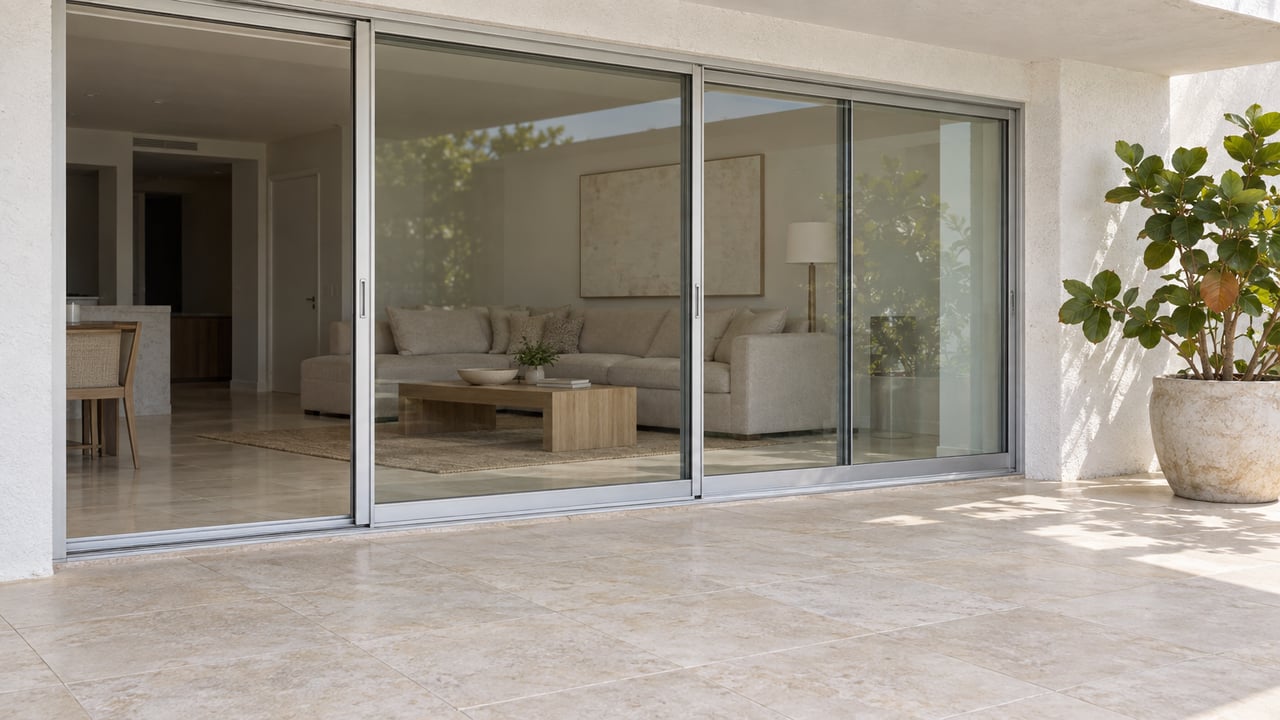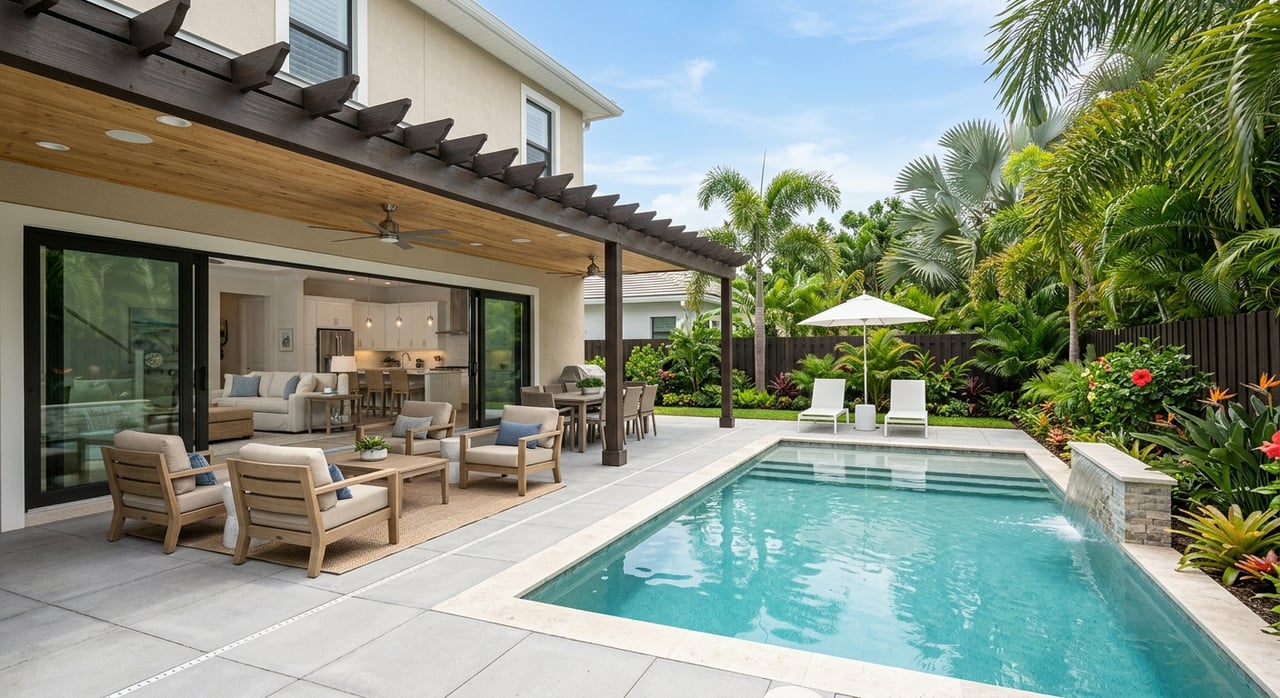
Trying to choose between a condo and a house in Fort Lauderdale? You are not alone. Many buyers love the idea of a lower-maintenance condo near the beach or downtown, but also worry about fees, insurance, and building conditions. Others want the privacy and control of a house, yet wonder if the higher price tag makes sense. This guide will help you compare both options with Fort Lauderdale-specific numbers and practical questions so you can make a more confident decision. Let’s dive in.
Start With the Fort Lauderdale Price Gap
In Fort Lauderdale, condos and houses often live in very different price ranges. In Q1 2026, the median sale price was $485,000 for condo and townhome sales, compared with $807,500 for single-family homes. That is a difference of about $322,500, which can have a major impact on your monthly budget and down payment planning.
Inventory also tells an important story. Condo and townhome supply sat at 11.6 months, while single-family supply was 6.9 months. In simple terms, that means condo buyers generally have more choices and a slower pace than house buyers.
Current citywide condo inventory showed 1,348 condos listed at a median listing price of $486,000. Across all property types, the citywide median sale price in March 2026 was $577,500. Those numbers show just how broad the Fort Lauderdale market can be.
Compare Price Points by Area
Your decision may become easier once you look at where you want to live. Some parts of Fort Lauderdale line up naturally with a condo search, while others lean more toward detached homes.
Condo-Oriented Areas
Several Fort Lauderdale areas offer condo price points that may feel more accessible if you want a close-in or more urban lifestyle. Recent neighborhood snapshots showed Flagler Village around $360,000, Downtown Fort Lauderdale around $575,000, Galt Ocean Mile around $485,000, and Lauderdale Beach around $508,000.
These areas can make sense if you want to be closer to shops, restaurants, the beach, or a more lock-and-leave setup. They also give you a useful benchmark for what condo living may cost in different parts of the city.
House-Oriented Price Bands
As you move into many east-side and waterfront-adjacent neighborhoods, detached-home prices often rise quickly. Recent neighborhood figures showed Coral Ridge Isles around $720,000, Las Olas Park around $925,000, Coral Ridge around $1.725 million, and Rio Vista around $2.6 million.
That does not mean every house search must land in the luxury range. It does mean that if privacy, yard space, or renovation freedom matter most, you should be ready for a different budget conversation in many popular Fort Lauderdale neighborhoods.
Think About How You Want to Live
Price matters, but lifestyle often ends up deciding the question. The better fit usually comes down to how you want to spend your time, how much privacy you need, and how much responsibility you want to take on.
When a Condo May Fit Better
A condo often works well if you want a more managed lifestyle. Many buyers like having less day-to-day exterior maintenance to worry about, especially if they travel often, split time between homes, or simply want a more convenient routine.
Condo living can also line up well with a more walkable lifestyle. Fort Lauderdale’s citywide Walk Score is 56, while Downtown Fort Lauderdale scores 90, with Good Transit and a Bike Score of 83. If being able to get around with less driving matters to you, condo-heavy areas near downtown or the beach may feel like a natural match.
Amenities can be part of the draw too. Current Fort Lauderdale condo listings include options with features such as community pools and garages. If you value convenience and shared amenities more than private land or a large yard, that tradeoff may feel worth it.
When a House May Fit Better
A house often makes more sense if privacy and control sit at the top of your list. You usually have more freedom over outdoor use, renovations, landscaping, and how you maintain the property.
Detached homes also appeal to buyers who want less reliance on association-level decisions. If you would rather make choices directly about your property instead of depending on a board, reserve funding, or building-wide projects, a house may feel simpler from a decision-making standpoint.
Of course, that independence comes with more direct responsibility. With a house, you are the one managing the property’s upkeep, repairs, and long-term maintenance planning.
Understand the Ownership Tradeoffs
This is where the condo versus house decision becomes very practical. In South Florida, ownership structure can affect your insurance, your monthly costs, and even your access to the property.
Condo Ownership in Florida
Florida condominium law requires associations to maintain adequate property insurance. The master policy covers the building as originally installed and the common elements, but it does not cover everything inside your unit. Personal property and several interior items may be excluded.
That is why condo owners typically need an HO-6 policy. Florida consumer guidance says an HO-6 policy can cover your personal property and certain building items not insured by the association. The same guidance says HO-6 policies must include at least $2,000 of loss-assessment coverage.
You should also know that condo owners can face assessments if common-area damage is uninsured or if reserves are not sufficient. Florida law also allows associations access to units for maintenance or to prevent damage, which highlights the shared nature of condo ownership.
House Ownership in Florida
Detached homes are usually more straightforward in structure. The standard homeowners package generally covers the dwelling, unattached structures, personal property, and liability, while you remain directly responsible for maintaining the property.
That simplicity appeals to many buyers. Still, you need to budget for repairs, insurance, and ongoing maintenance without the shared systems or management layer that a condo association can provide.
Pay Close Attention to Insurance and Building Health
In Fort Lauderdale, the condo versus house choice is not only about sticker price. Insurance, reserves, inspections, and flood exposure can all affect your true cost of ownership.
Condo Reserve and Inspection Issues
For many condo buyers, the most important question is not whether the kitchen looks updated. It is whether the building is financially and structurally well managed.
Florida law requires structural integrity reserve studies for residential condo associations with buildings that are three or more habitable stories, generally every 10 years. Associations existing on or before July 1, 2022 that are unit-owner controlled had a December 31, 2025 deadline, with a December 31, 2026 outer deadline when completed alongside a milestone inspection.
Florida also requires milestone inspections for condominium and cooperative buildings that are three habitable stories or more, generally by the year the building reaches 30 years of age, or 25 years if local enforcement requires it because of local conditions such as proximity to salt water. Single-family, two-family, three-family, or four-family dwellings with three or fewer habitable stories are exempt.
The state guidance also says the inspection summary must be distributed to unit owners and the full report must be posted for review. For you as a buyer, that means building health should be part of your early screening process, not an afterthought.
Flood Insurance and Location Risk
Flood insurance should be reviewed separately from a standard homeowners or condo policy. FEMA states that flood insurance is a separate policy that can cover a building, contents, or both, and federally regulated lenders require flood insurance for buildings in Special Flood Hazard Areas.
In Fort Lauderdale, that makes flood-zone review an early step for either property type. You do not want to wait until after you are under contract to learn that flood insurance will change your monthly costs.
A Simple Decision Framework
If you are still torn, it helps to focus on the tradeoffs that matter most to your daily life and long-term budget.
A Condo May Be the Better Choice If You Want:
- A lower entry price in many Fort Lauderdale submarkets
- Less day-to-day exterior maintenance
- A more walkable or amenity-rich lifestyle
- A lock-and-leave setup for travel or part-time use
- More inventory and potentially more negotiating room
A House May Be the Better Choice If You Want:
- More privacy and separation from neighbors
- More control over renovations and outdoor use
- Yard space or detached living
- Less exposure to association reserve, inspection, and assessment issues
- Direct control over maintenance decisions
Questions to Ask Before You Decide
Whether you lean condo or house, asking the right questions early can save you time and surprises later.
If You Are Considering a Condo
Ask about:
- What the master policy covers and excludes
- The master deductible and whether costs can flow through to unit owners
- How much HO-6 coverage you may need for contents, dwelling items, and loss assessments
- Whether there are pending milestone inspection findings
- Whether reserve funding appears adequate
- Whether any special assessments are planned or being discussed
A smart condo due-diligence package can include the association budget, reserve schedule or structural integrity reserve study, milestone summary, insurance declarations, and recent board minutes. In Florida, owners must receive key inspection summaries and reserve-study information, so asking for these documents early is consistent with the state’s disclosure framework.
If You Are Considering a House
Ask about:
- The assumptions behind wind coverage and replacement cost
- Whether flood insurance is required or advisable based on the property location
- The likely maintenance needs for the roof, exterior, and site
- Your comfort level with ongoing upkeep and repair planning
The Right Choice Depends on Your Priorities
There is no one-size-fits-all answer in Fort Lauderdale. A condo can offer a lower entry point, more convenience, and a lifestyle that fits downtown or beachside living. A house can offer more privacy, more flexibility, and fewer shared decision points.
The key is to look beyond the purchase price. When you compare insurance structure, flood exposure, building condition, reserve health, maintenance responsibility, and how you actually want to live, the better fit usually becomes much clearer.
If you want help sorting through Fort Lauderdale condos, houses, or both, Lisa Stephenson offers the kind of local, hands-on guidance that can make the decision feel a lot less overwhelming.
FAQs
What is the price difference between a condo and a house in Fort Lauderdale?
- In Q1 2026, the median sale price was $485,000 for condos and townhomes versus $807,500 for single-family homes in Fort Lauderdale.
What does condo inventory look like in Fort Lauderdale?
- Fort Lauderdale had 1,348 condos listed at a median listing price of $486,000, with 11.6 months of condo and townhome supply, which suggests more selection than the single-family market.
What insurance should condo buyers in Fort Lauderdale ask about?
- You should ask what the association master policy covers, what it excludes, what the deductible is, and how much HO-6 coverage you may need for personal property, interior items, and loss assessments.
What inspection issues matter for older Fort Lauderdale condo buildings?
- For many condo buildings that are three habitable stories or more, Florida requires milestone inspections and structural integrity reserve studies, so buyers should review those documents early.
What lifestyle benefits can a condo offer in Fort Lauderdale?
- A condo may offer less day-to-day maintenance, shared amenities, and access to more walkable areas such as Downtown Fort Lauderdale.
When is a house a better fit than a condo in Fort Lauderdale?
- A house may be a better fit if you want more privacy, more control over renovations and outdoor space, and less reliance on association decisions.