If you picture Fort Lauderdale as a beach town first, you are only seeing part of the story. For many buyers, the real magic is inland, where canal-front streets, dockside homes, and quick access to the water shape daily life in a very local way. If you are thinking about boating-friendly living in Fort Lauderdale, this guide will help you understand how the canal neighborhoods differ, what waterfront ownership really involves, and what to look for before you buy. Let’s dive in.
Why Fort Lauderdale Stands Out
Fort Lauderdale is one of South Florida’s most boating-oriented cities. According to the city, it has 165 miles of scenic inland waterways, with the Intracoastal Waterway, the New River, and an extensive canal network running through the community.
That matters because waterfront living here is not a small niche. It is woven into the layout of the city, the housing options, and the day-to-day lifestyle. In many neighborhoods, the water is part of how you move around, relax, and choose where to live.
The city also notes that the Intracoastal is lined with marinas, waterfront restaurants, and nightlife, and Fort Lauderdale hosts a major annual in-water boat show. For buyers who want to keep a boat close to home, that creates a setting where boating feels practical as well as recreational.
Canal Living Varies by Neighborhood
Not all Fort Lauderdale canal neighborhoods feel the same. Some are closely tied to downtown and the New River, while others sit along the barrier island or within canal systems near Middle River and the Intracoastal.
That block-by-block difference is important when you start your search. Two waterfront homes may both offer a dock, but the surrounding setting, access points, and day-to-day feel can be very different.
Rio Vista and Rio Vista Isles
Rio Vista sits on the south shore of the New River between US-1 and the Intracoastal Waterway. The city describes it as one of Fort Lauderdale’s oldest neighborhoods, and the area carries that long-established character into the present day.
Rio Vista Isles was developed in the 1920s and is noted by the city for early Mediterranean Revival influence, tree-lined streets, and a mix of historic and altered homes. If you are drawn to waterfront living with architectural character and a location near the river and downtown, this area often stands out.
Las Olas Isles and Nearby Isles
Las Olas Isles, Seven Isles, Nurmi Isles, and Hendricks Isle or Isle of Venice form one of the city’s most recognizable waterfront clusters. City records show active neighborhood associations here, along with public infrastructure projects such as utility undergrounding.
These neighborhoods are especially appealing if you want to be close to Las Olas, downtown, and active boating routes. The setting feels highly connected, both by road and by water, which is part of the draw for many buyers.
Coral Ridge and Coral Ridge Country Club Estates
Coral Ridge was deliberately planned around dredged canals and finger islands extending east toward the Intracoastal. That design still shapes the neighborhood today and helps explain why it remains a key area for buyers looking at waterfront homes.
Coral Ridge Country Club Estates is also part of the broader canal-oriented story along Bayview Drive. If you want a neighborhood where waterfront planning was part of the original vision, this area deserves a close look.
Dolphin Isles and Harbour Isles
Dolphin Isles is located on the barrier island north of Hugh Taylor Birch State Park. The city says it is primarily made up of single-family homes, with some multifamily buildings, and includes multiple inlets connecting to the Atlantic Intracoastal.
Harbour Isles sits south of Lago Mar near the Port Everglades inlet and is accessed by South Ocean Drive and South Ocean Lane. These neighborhoods can appeal to buyers who want a coastal setting where boating access is paired with a barrier-island location.
Lauderdale Isles and Canal Districts
Lauderdale Isles offers another side of canal-front living. The Lauderdale Isles Water Management District oversees 10 canals and part of the North New River Canal, with responsibilities that include safe navigation, canal depths, obstructions, debris, and cleanup.
That level of waterway management is useful to know as a buyer. It shows that in some neighborhoods, canal living comes with an ongoing public focus on maintaining the waterways that residents use every day.
What Housing Options Look Like
Many Fort Lauderdale canal neighborhoods are known for single-family waterfront homes, but the housing mix is broader than that. In some areas, you will also find condos, townhomes, and multifamily pockets.
For example, the city describes Dolphin Isles as primarily single-family with some apartment buildings, while Rio Vista includes a mix of historic and altered homes. In the east-side waterfront areas, recognized neighborhood associations also include condo and townhouse communities, which gives buyers more flexibility in price point and maintenance level.
If you love the boating lifestyle but do not necessarily want a large detached home, that variety can open up more options. It also means your search should be tailored to how you want to live, not just where you want to be.
What Everyday Boating Life Feels Like
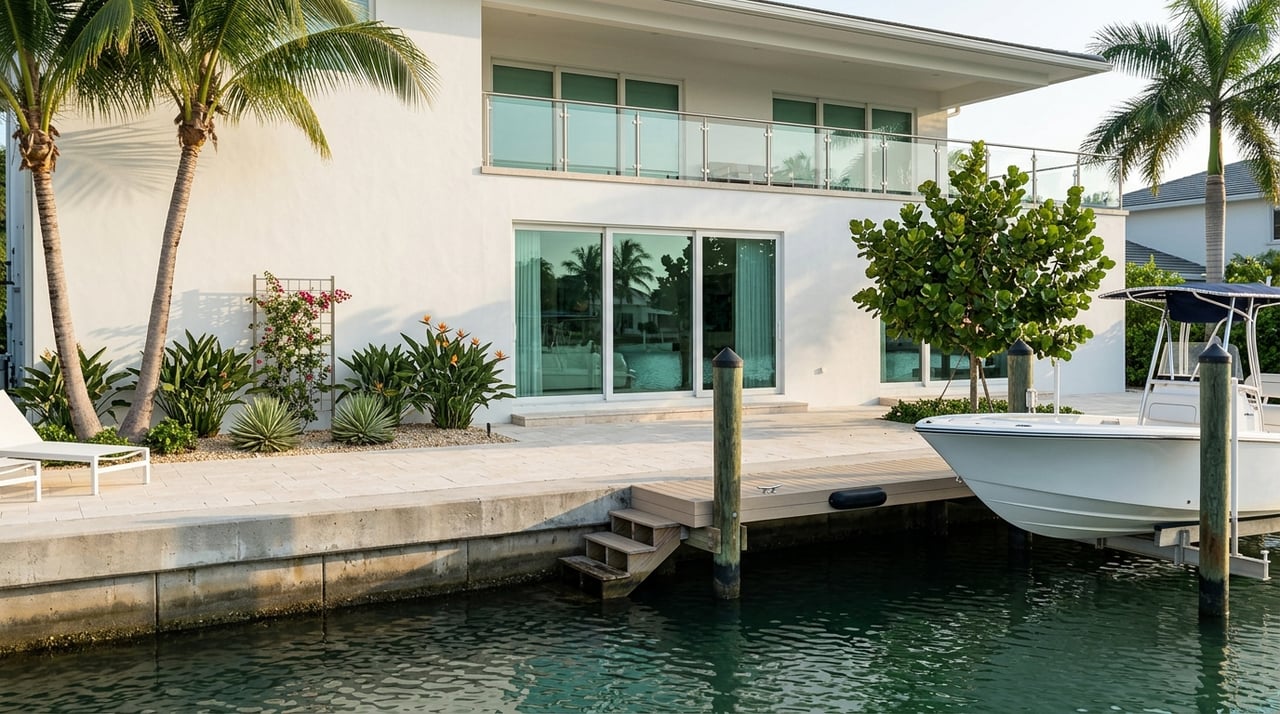
Boating-friendly living is about more than owning a dock. In Fort Lauderdale, it often means having multiple ways to get out on the water and enjoying a city that is built around marine access.
The city lists public docking and launching sites on a first-come, first-served basis, including Cooley’s Landing, New River and Downtown Docking, Cox’s Landing, George English Park, and Lauderdale Isles Landing. It also notes that four city pump-out locations are available free of charge.
That kind of infrastructure supports both full-time boaters and casual users. Even if you are not taking the boat out every weekend, it helps to live in a place where boating access is part of the public landscape.
Water-Based Transit and Dining
Fort Lauderdale also offers water-based transportation options that add to the canal lifestyle. Water Taxi runs daily in Fort Lauderdale from 10 a.m. to 10 p.m., with departures about every 35 to 45 minutes and stops including Las Olas, 15th Street Fisheries, Hilton Marina, Pier Sixty-Six, Marina Village and Bahia Mar, and Shooters Waterfront.
The city’s free Water Trolley also runs daily from 10 a.m. to 10 p.m. with downtown and New River stops. At the same time, Water Taxi notes that bridge operations can cause delays, which is a helpful reminder that water travel here is convenient but still affected by bridges and local conditions.
For many residents, waterfront dining is part of the regular routine. The city says the Intracoastal is lined with waterfront restaurants and nightspots, and water-based stops connect people to dining, shopping, entertainment, and beach access.
What Buyers Should Review Carefully
A waterfront home can be exciting, but it also calls for more detailed due diligence. In Fort Lauderdale, a smart purchase is about balancing lifestyle goals with practical property review.
Flood Zones and Insurance
The city states that flooding is not covered by most homeowners insurance policies, and many residents live in or near Special Flood Hazard Areas. Broward County also says current flood zones should be reviewed for insurance and risk planning.
Before you move forward on a waterfront property, it is important to understand the flood zone designation and how that may affect insurance costs and long-term planning. This is one of the first items many buyers should review.
Seawalls, Tidal Conditions, and Permits
Fort Lauderdale’s climate resiliency information makes clear that tidal flooding is a real local issue. The city says many residents live below five feet above sea level, and updated rules generally require new or substantially repaired seawalls and similar tidal barriers to reach five feet NAVD88.
If a home has a seawall, dock, or planned improvements, permit history matters. The city says seawalls require permits, and elevation certificates are required for new construction and substantial improvements.
The city also offers a Living Seawall Permit Fee Assistance Program that can discount residential seawall permit base fees by up to 100 percent, with a maximum of $3,500. For buyers planning future work, that is worth knowing early.
Dock Rights and Neighborhood Rules
Neighborhood governance can shape your ownership experience. The city recognizes many neighborhood associations in east-side waterfront areas, and city code addresses tidal barriers, boathouse setbacks, and private docking permissions.
In practical terms, you should verify:
- Dock rights
- HOA or association rules, if applicable
- Whether seawall or dock improvements were properly permitted
- Whether improvements are current and compliant
These details can affect both your use of the property and future repair costs. They are not reasons to avoid waterfront ownership, but they are reasons to investigate carefully.
Water Quality and Ongoing Infrastructure
Fort Lauderdale monitors waterway quality with Miami Waterkeeper, including sites such as Himmarshee Canal and Tarpon River. Recent city notices also show that canal neighborhoods can experience short-term advisories and infrastructure work.
That is part of living on active waterways. The upside is access, scenery, and boating convenience. The tradeoff is that waterfront systems need maintenance, oversight, and occasional updates.
How to Choose the Right Fit
The best canal neighborhood for you depends on how you want to use the water and how much hands-on property responsibility you want. Some buyers want a historic neighborhood near the New River, while others want an east-side setting close to Las Olas or a barrier-island location with inlet access.
It also helps to think beyond the house itself. A great fit often comes from matching your boating habits, maintenance comfort, travel routes, and long-term plans with the right micro-location.
If you are comparing options in Fort Lauderdale, local context matters. Waterfront real estate is highly specific, and details like canal layout, permitting history, seawall condition, and neighborhood structure can have a major impact on both enjoyment and future costs.
Boating-friendly living in Fort Lauderdale can be rewarding, scenic, and deeply tied to the South Florida lifestyle. If you want a home that supports time on the water, the key is finding the neighborhood and property that fit your version of waterfront living.
If you are exploring canal-front homes in Fort Lauderdale or weighing the pros and cons of a specific property, working with someone who understands coastal Broward’s neighborhood differences can make the process feel much clearer. For local insight and personal guidance, connect with Lisa Stephenson.
FAQs
What makes Fort Lauderdale a boating-friendly city?
- Fort Lauderdale has 165 miles of inland waterways, plus the Intracoastal Waterway, the New River, and a broad canal network that supports waterfront living and boating access.
Which Fort Lauderdale neighborhoods are known for canal-front living?
- Neighborhoods often associated with canal-front and boating-oriented living include Rio Vista, Rio Vista Isles, Las Olas Isles, Seven Isles, Nurmi Isles, Hendricks Isle or Isle of Venice, Coral Ridge, Coral Ridge Country Club Estates, Dolphin Isles, Harbour Isles, and Lauderdale Isles.
What types of homes are available in Fort Lauderdale canal neighborhoods?
- Many canal neighborhoods feature single-family waterfront homes, but some areas also include condos, townhomes, and multifamily properties.
What should buyers check before buying a Fort Lauderdale waterfront home?
- Buyers should review flood zone information, insurance implications, seawall condition, permit history, dock rights, association rules, and whether waterfront improvements were properly approved.
Are there public boating access points in Fort Lauderdale?
- Yes. The city lists public docking and launching locations including Cooley’s Landing, New River and Downtown Docking, Cox’s Landing, George English Park, and Lauderdale Isles Landing.
How does water-based transportation work in Fort Lauderdale?
- Water Taxi operates daily in Fort Lauderdale, and the city’s free Water Trolley also runs daily, though bridge operations can affect timing.
Why do seawalls matter when buying in a Fort Lauderdale canal neighborhood?
- Seawalls are important because the city’s resiliency and tidal barrier rules affect repairs and replacement, and permit requirements can influence future costs and property planning.